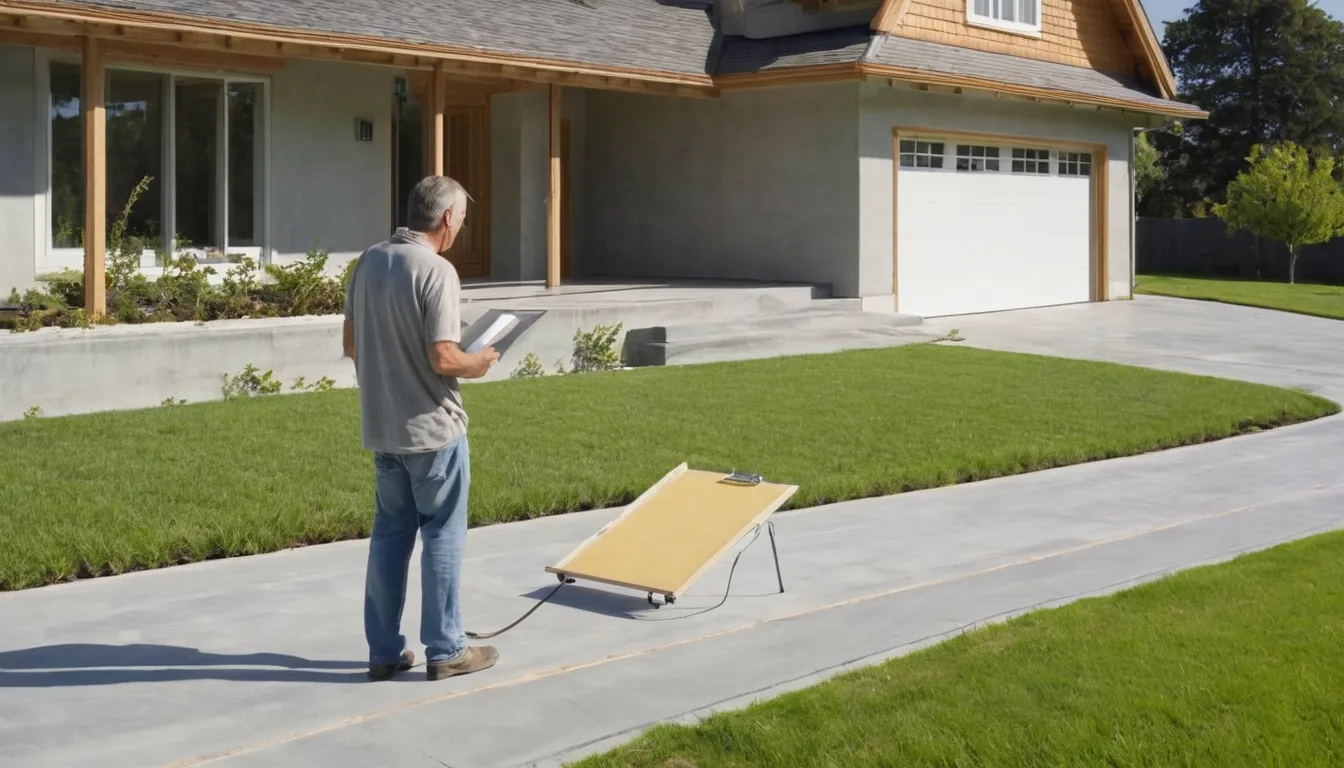
Concrete Driveways Help for Huntley Homeowners
Request an estimate today
A driveway takes a beating. Cold winters, deep frost, hot humid summers and spring water all work on the slab. Many homeowners wonder if a few cracks mean it is time to start over. Sometimes they do. Sometimes they don't.
Reliefrare Concrete is a referral service. It does not pour or finish concrete. It helps you sort fact from myth, shows you what to ask, and connects you with independent providers in our network who handle new driveways in the Huntley area. Each provider gives you their own written quote, so you can compare calmly and choose what fits your home and budget.
Most people reach this page because the driveway has turned into a problem they can't ignore. It may be heaved, sunken or crumbling. Or a contractor told you to replace it and you want a clearer picture. Let's start with what is urgent and move toward the planning details.
What Needs Attention First
Look for raised edges, deep holes and slabs that tilt toward the house. Those are trip and vehicle hazards. Mark them with bright tape and keep kids and guests clear.
Next, watch where water goes. Pooling near the foundation matters most when you have a basement and a sump pump. If a sinking slab comes with cracks inside a basement wall, that is a job for foundation repair experts first. A good driveway provider will tell you so plainly.
Take photos of everything before anything changes.
Myth: Every Crack Means a New Driveway
A lot of people think any crack spells the end. In practice, hairline cracks are common in concrete flatwork and often stay cosmetic. Plenty of homeowners search for concrete driveway repair first, and a sealer or small patch is sometimes the honest answer. Providers in our network focus on new pours and full replacement, so a minor patch job may suit a different kind of contractor.
Signs It Is Time for a New Driveway
- Cracks wider than a pencil, with one side sitting higher than the other
- A flaking surface where sand and gravel show through
- Whole sections that have sunk or lifted
- Crumbling edges and corners
- Patch layered on top of patch
- Water that sits in place instead of draining away
Myth: Winter Damage Is Just Bad Luck
Not quite. Where frost runs deep, wet soil expands and pushes slabs upward. A weak base and poor drainage make that worse. Road salt, hot humid summers and spring flooding add wear over the years. Heavy storms can wash soil out from under an edge. A well-planned new driveway deals with these things before the pour.
What a New Driveway Project Includes
Think of it as five stages: tear-out, base, forms, pour and finish. Each one affects how long the slab lasts.
Tear-Out and Base Work
Old concrete is broken up and hauled away. The soil is graded so water runs away from the house. Then a layer of compacted gravel goes down. Skipping that layer is a common shortcut, and frost loves it.
Forms, Steel and the Pour
Wood forms set the shape and the slope. Rebar or wire mesh goes in when the plan calls for it. The concrete is poured, leveled and finished. Joints are cut so any cracking follows neat lines instead of random ones.
Choosing Size, Thickness and Finish
A single-car width is often 10 to 12 feet. A two-car driveway runs closer to 20 to 24 feet. Four inches is a common thickness for passenger cars. Heavier trucks or RVs usually call for 5 to 6 inches. Thicker is not magic, though. Base prep and joints matter just as much.
For finish, a broom texture gives good grip when it rains or ices. Color and decorative options exist as well. Ask about sealer and how often it should be renewed.
Permits and the Street Apron
The apron is the strip where your driveway meets the street or sidewalk. Cities often own that piece and set rules for thickness and who may build it. Many areas also require a permit for new or widened driveways. Ask each provider who handles permits, utility marking and any HOA approval. Get the answer in writing.
Hire With Confidence: Ask Before You Pour
Good questions make quotes easier to compare. Try these:
- Who will be on site, and who is my contact if something comes up?
- What base depth and slab thickness are in the quote?
- How will slope, drainage and joints be handled?
- Do the numbers include tear-out, haul-away and cleanup?
- Who pulls the permit?
What a Good Answer Sounds Like
Specific. You hear numbers, materials and a clear order of work. The provider explains why, not just what, and is happy to put it all on paper.
Red Flags
- A demand for the full payment before any work starts
- Pressure to sign on the spot
- A written scope that is vague or missing
- Dodging questions about permits or base prep
- A story about leftover concrete from another job
Get Paperwork-Ready
Notes beat memory. Photograph the driveway from several angles, add close-ups of cracks and low spots, and jot down the dates. Keep every quote, message and receipt in one folder.
If a storm or other sudden event caused the damage, some policies may cover sudden damage, so check your policy. Providers can often help document damage for a claim. Ordinary wear and age are usually treated differently.
After the Pour
Keep foot traffic off for a day or two and vehicles off for about a week, or as your provider advises. Hold off on de-icing salt through the first winter. Sealer timing varies, so ask what your provider suggests. Keep your paperwork in case questions come up later.
Ready to talk it through? Request a callback to check provider availability, then compare written quotes at your own pace.
What's Included
Tear-Out and Haul-Away
Providers remove the old slab, clear the debris and prepare the area for fresh work.
Grading and Base
Soil is shaped for runoff and topped with compacted gravel for a steady footing.
Forms and Reinforcement
Forms set the size and slope, and steel is added when the plan needs it.
Pour, Finish and Joints
Concrete is placed, textured and jointed, then left to cure before use.
Typical Concrete Driveway Costs in the U.S.
Prices swing with size, soil, access and finish. These are typical U.S. ranges, so always ask each provider for a written quote.
| Item | Typical range | Notes |
|---|---|---|
| Tear-out and haul-away | $1 – $3 per sq ft | Thicker or reinforced slabs cost more to remove |
| Basic new driveway, broom finish | $6 – $12 per sq ft | Includes base, forms and pour in most quotes |
| Typical two-car driveway | $4,000 – $9,000 | Depends on size, thickness and site access |
| Color or decorative finish | $2 – $8 more per sq ft | Stamping and patterns raise labor time |
| Grading or drainage fixes | $500 – $3,000 | Sloped lots and wet soil push costs up |
| Permit and street apron work | $100 – $1,500 | Local rules and fees vary widely |
How It Works
Share Your Plans
Tell us about your driveway, its size and what you want changed.
Get Matched With Providers
Reliefrare Concrete connects you with independent local providers in our network who handle new driveways.
Compare Written Quotes
Each provider quotes on their own, so you can weigh scope, price and timing.
Choose and Schedule
Pick the provider you trust, confirm permits and agree on a start date in writing.
Why Call Reliefrare Concrete
Providers Do the Work
Reliefrare Concrete only makes the connection. Independent local providers handle the concrete and give their own quotes.
Myths Cleared Up
Plain answers about cracks, thickness and replacement help you avoid choices based on guesswork.
Smart Questions
Know what to ask and what a solid answer sounds like before you ever sign anything.
Records Ready
Tidy photos and notes make estimates smoother and any insurance talk easier.
Other Services
Need concrete driveways help in Huntley?
Request a callback to check provider availability, or request an estimate and describe your driveway or patio plans. There is no obligation.
No obligationConcrete Driveways Help FAQ
How do I know if I need a new concrete driveway or just a patch?
Hairline cracks are often cosmetic. Wide cracks, uneven sections, flaking surfaces and standing water point toward replacement. Take photos and ask a local provider to explain what they see before you decide.
How thick should a concrete driveway be?
Four inches is common for passenger cars. Heavier trucks or RVs usually need five to six inches. The gravel base, reinforcement and joints matter too, so ask what each quote includes.
Do I need a permit to replace my driveway?
Many areas require a permit for new or widened driveways, and the street apron often has its own rules. Ask each provider who handles permits, and get that responsibility written into the quote.
Tell us what happened
Request a callback to check provider availability, or request an estimate and describe your driveway or patio plans. There is no obligation.
No obligation