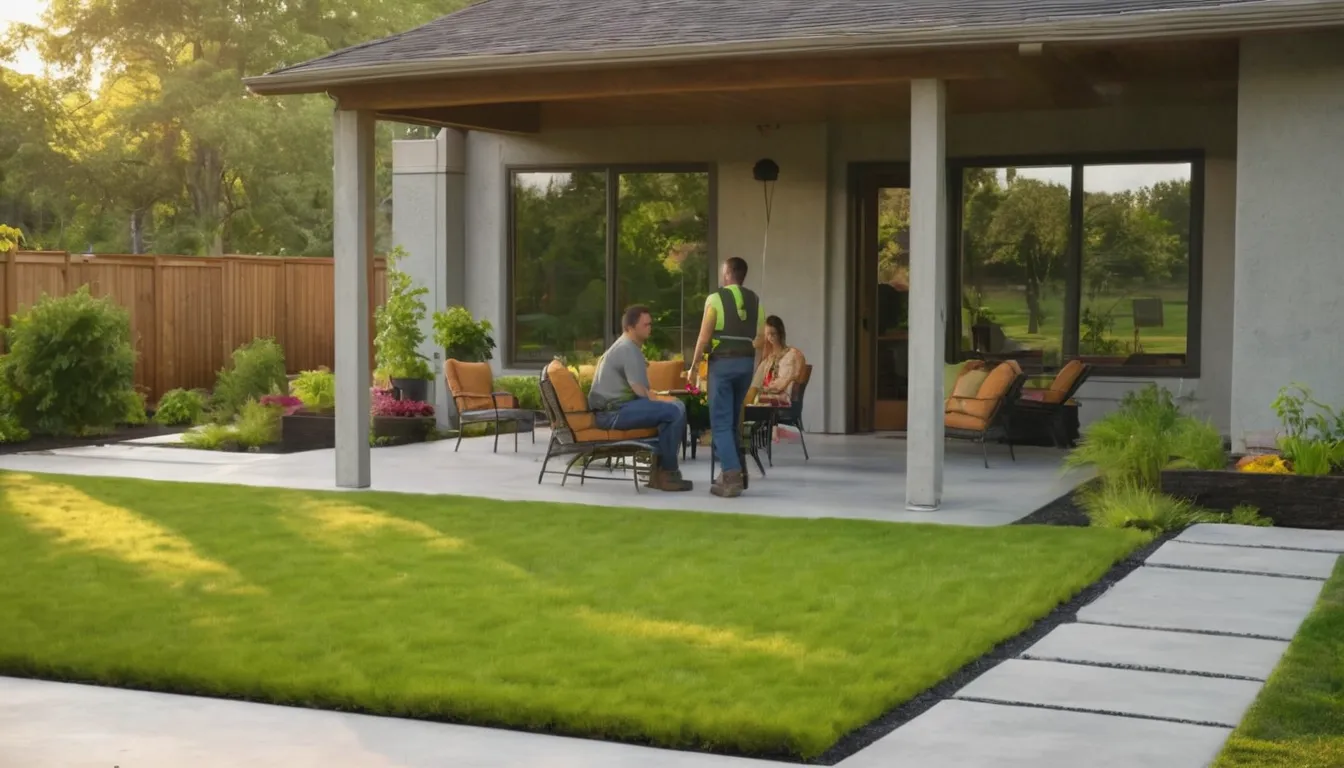
Residential Concrete Patios in Huntley
Request an estimate for your patio
Plenty of homeowners think a patio is just a flat slab, poured on a nice day. In practice, a good one starts with careful planning, a solid base, smart drainage and a finish that suits how you live. Reliefrare Concrete helps you sort fact from myth before you talk to anyone.
We are a referral service, not a contractor. We connect you with independent providers in our network who handle the work and give their own written quotes. Across the Huntley area, that means you can compare options with better questions, tidy notes and a clear picture of your project. Ask before you pour.
Planning a New Concrete Patio? Start Here
Many people picture a patio as a flat slab and little else. In practice, it is a small build with a prepared base, forms, reinforcement and a finish. A few smart questions now can save you a lot of stress later.
This page covers new patios only. It is not about concrete driveway repair or fixing old damage.
Myth: Any Warm Weekend Will Do
A common belief is that concrete just needs a dry day. In practice, temperature matters a great deal. Cold slows curing, and frost can harm a fresh surface. Hot, humid air can make the top dry faster than the middle.
Timing in a Frost Climate
Where winters bring deep frost, most providers pour from spring through fall. Calendars fill early. Asking in late winter often gives you more choice than waiting for the first warm week. Request a callback to check provider availability for your season.
Myth: A Patio Is Just a Slab
The part you see is only the top. Under it sits a compacted gravel base that helps the concrete stay level through freeze and thaw. Good concrete flatwork starts below the surface, where nobody takes photos.
What a Patio Project Usually Includes
- Marking the outline and setting the grade
- Digging out soil and adding compacted gravel
- Building forms and placing mesh or rebar
- Pouring, finishing and cutting control joints
- Curing time, plus sealer if you choose it
Providers handle these steps in different ways, so ask for the details in writing.
Sizing Your Patio
People often size a patio by square feet. Try sizing it by furniture instead. Set a table and chairs on the lawn, then leave room to pull the chairs back. A grill, a fire bowl or lounge chairs each need their own space.
Think About Shape and Access
Walk the path from your back door. Simple shapes are easier to form, while curves add labor. Also tell the provider how a truck or wheelbarrow can reach the spot. Access can change the plan and the price.
Finish Options
Some folks assume all patios look alike. They do not. A broom finish is simple and grippy. A smooth trowel finish can turn slick when wet, so it rarely suits outdoor use. Exposed aggregate shows small stones, and integral color mixes pigment through the batch.
Stamped Concrete Patios
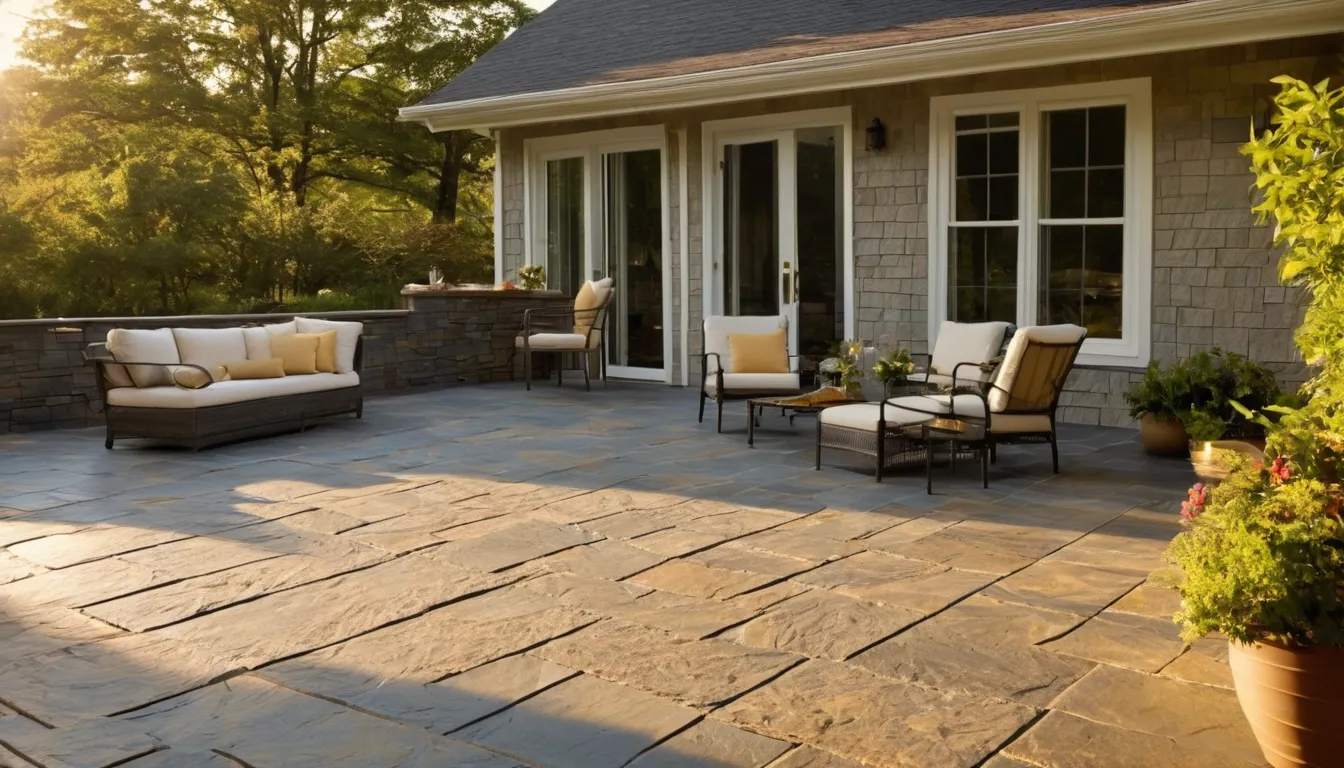
Stamped concrete patios use patterns and color to echo stone, brick or even wood. They usually cost more than plain gray and need resealing every few years. Ask to see photos of the provider's own finished work, not only catalog pictures.
Drainage and Your Foundation
A frequent belief is that water will simply run off. A flat patio holds water unless it is sloped. A slight fall away from the house is common practice. With a full basement and a sump pump, extra water near the wall is worth avoiding. Spring flooding and heavy storms make it matter more.
When Something Looks Off at the Wall
If you already see cracks or sticking doors near the house, that is a different job. Foundation repair experts look at that, and a patio provider should not guess. Mention it early so the slope plan fits.
Hire With Confidence: Questions to Ask
Ask before you pour. These questions work for any provider, and the answers tell you a lot.
Questions Worth Asking
- Who does the work: your own crew or subcontractors?
- How deep is the gravel base, and what reinforcement will you use?
- How will you slope the patio and handle drainage?
- What does the quote include, and what is left out?
- What happens if weather moves the pour date?
What a Good Answer Sounds Like
Clear, specific and written down. "Four inches of compacted gravel, mesh, and joints at set spacing" is a good sign. "Don't worry, we do it right" is not.
Red Flags Worth Noticing
- Pressure to sign on the spot
- A large cash deposit before any work starts
- No written quote or scope
- Vague answers about base prep
- A suggestion to skip a required permit
Keep Your Paperwork Ready
Notes beat memory. Before you talk to providers, take photos of the yard from a few angles, including the spot where water collects. Jot down measurements, the back door location and any slope you notice.
Photos and Notes That Help
Save each written quote in one folder. If a storm or flood damaged an old patio you plan to replace, some policies may cover sudden damage, so check your policy. Providers can often help document damage for a claim.
Caring for Your New Patio
Ask how long to wait before foot traffic and before furniture goes back. Many providers suggest a few days for walking and about a week before heavy loads. Be gentle with de-icing salts the first winter, and ask whether sealer suits your finish.
Ready to Compare Providers?
You now know more than most people do before a first estimate. Use your questions, your photos and your notes to compare what each provider says.
What's Included
Site Layout
Providers mark the outline, check the grade and plan a gentle slope so water moves away from your home.
Base and Forms
Soil is dug out, gravel is compacted, and forms are set so the slab stays level and strong.
Pour and Finish
Concrete is placed, smoothed and textured, with joints cut to control where cracks may form.
Curing and Sealing
Fresh concrete needs time to cure, and some finishes get a sealer for added protection.
Typical Patio Costs in the U.S.
Prices vary by region, size, access and finish. These ranges are typical for the U.S. and only a starting point, so always get a written quote from each provider you consider.
| Item | Typical range | Notes |
|---|---|---|
| Standard broom-finish patio | $6 – $12 per sq ft | Plain gray, simple shape, good access |
| Stamped and colored patio | $12 – $20 per sq ft | Pattern and color add labor and skill |
| Excavation and gravel base | $1 – $3 per sq ft | Deeper bases cost more in poor soil |
| Old slab removal | $2 – $6 per sq ft | Depends on thickness and disposal |
| Drainage and grading work | $300 – $2,500 | Varies with slope and water issues |
| Sealer | $1 – $3 per sq ft | Often reapplied every few years |
How It Works
Share Your Plans
Tell us about your yard, rough size and finish ideas, or request an estimate online.
Get Matched Locally
We connect you with an independent provider in our network serving your area.
Compare Written Quotes
Review scope, base prep, drainage and timing from each provider before you decide.
Schedule Your Pour
Choose a provider and agree on a start window that fits the weather.
Why Call Reliefrare Concrete
Questions Before Quotes
Our guides help you know what to ask, so quotes are easier to compare.
Independent Providers
Local providers in our network do the work and set their own prices.
Myth, Then Reality
We explain common patio beliefs in plain words, so you can plan without pressure or confusing jargon.
Organized Records
Simple photo and note tips help you stay ready for every conversation.
Other Services
Need residential concrete patios in Huntley?
Request a callback to check provider availability, or request an estimate and describe your driveway or patio plans. There is no obligation.
No obligationResidential Concrete Patios FAQ
How thick should a concrete patio be?
Four inches is a common thickness for a residential patio over a compacted gravel base. Heavier loads, such as a hot tub, may need more thickness or extra reinforcement. Ask each provider to put the details in the quote.
How long before I can walk on a new concrete patio?
Many providers say light foot traffic is fine after a day or two, and heavy furniture after about a week. Full strength takes weeks. Follow your provider's advice, since weather affects curing.
Do I need a permit to build a concrete patio?
It depends on your town, patio size and whether it attaches to the house. Rules vary, so check with your local building office. A good provider can tell you what applies where you live.
Tell us what happened
Request a callback to check provider availability, or request an estimate and describe your driveway or patio plans. There is no obligation.
No obligation